Monday, December 13, 2010

Gender Appeal: How to appeal to women in advertising

 
Hello, hello I AM BACK. Been a while since my last post, 13 days to be exact which means years in blogger land. I am essentially a one (wo)man shop so things on the business end has been super hectic. 

Which reminds me, Social media and blogging tip #1: if you are planning to incorporate social media and blogging into your mix, you must be prepared to really PLAY. In order to keep your audience engage you must be consistent, schedule your postings and stick to it and if you plan to be away for a while let your audience in the know. Ideally, Blog at least once a week, Facebook 2-3 times a week and twitter daily. 

So, back to my original post subject: Female gender appeal in advertising. I am more than halfway through reading Why She Buys by Bridget Brennan and she has brought up some solid elements you can use in your advertising in order to appeal women. Companies tend to create advertising with a gender neutral approach, ie: banks, insurance, mortgage, etc in order to avoid alienating one gender. But you can implement elements that appeal to women in your advertising without alienating men. 

Mastercard is a prime example of this. Credit card penetration is equal between men and women (women use debit more tho). So a majority of the time they create (gender)personalized ads depending on the vehicle to which it was delivered(ie: men focused ads in men's magazines). But at times they release a general market advertising where they address milestones and life stages that are experienced by both and women. For example, the moment a couple's child goes off to college, as Brennan points out.In the surface this appeals to both sexes, but connects to female psychology very strongly because women are typically in charge of life's milestones-birthdays, graduations, etc. I am sure you are all aware of mastercard's "priceless" ad campaign. Key fundamentals you can take away from the camapign: 
  • Storytelling - the most powerful technique for creating an emotional connection to women 
  • Head and heart - women responds to personal experiences and examples more than product specifications. 
Putting the above into effect will strongly connect you to women and not alienate men in your advertising.  

Consider implementing these other elements: 
  • Cause marketing - "green" campaigns finds their biggest audience in women. Associating social responsibility with your brand can have a huge impact. 
  • Beauty in the imperfect - The dove campaigns, using real women rather than models are very succesful. 
  • What it does vs how it works - Men are interested in specs while women ask "what this product can do for me?". For example, Instead of pointing out that this camera has a 35mm zoom lens you can point out that "this camera uploads instantly so you can immediately share it with your family and friends". 
  • Messages about improving - Men responds to messages about winning. While women aspire to be a better version of themselves and see themselves as a work in progress.
  • Women responds to personal stories and examples while men responds to facts.
  • Testimonials 
  • Before and After comparisons

Image: courtesy of dove

Wednesday, December 1, 2010

Design elements that attract women


It should come as no surprise that men prefer designs made by men and women prefer designs made by women.** I also noted that men are more receptive towards designs that have female aesthetics, than woman are towards designs with male aesthetics in my Why Market to Women? post. So what are the design elements that women are particularly drawn toward?

  • Handwriting as fonts. Women are also drawn to informal or conversational language/copy.
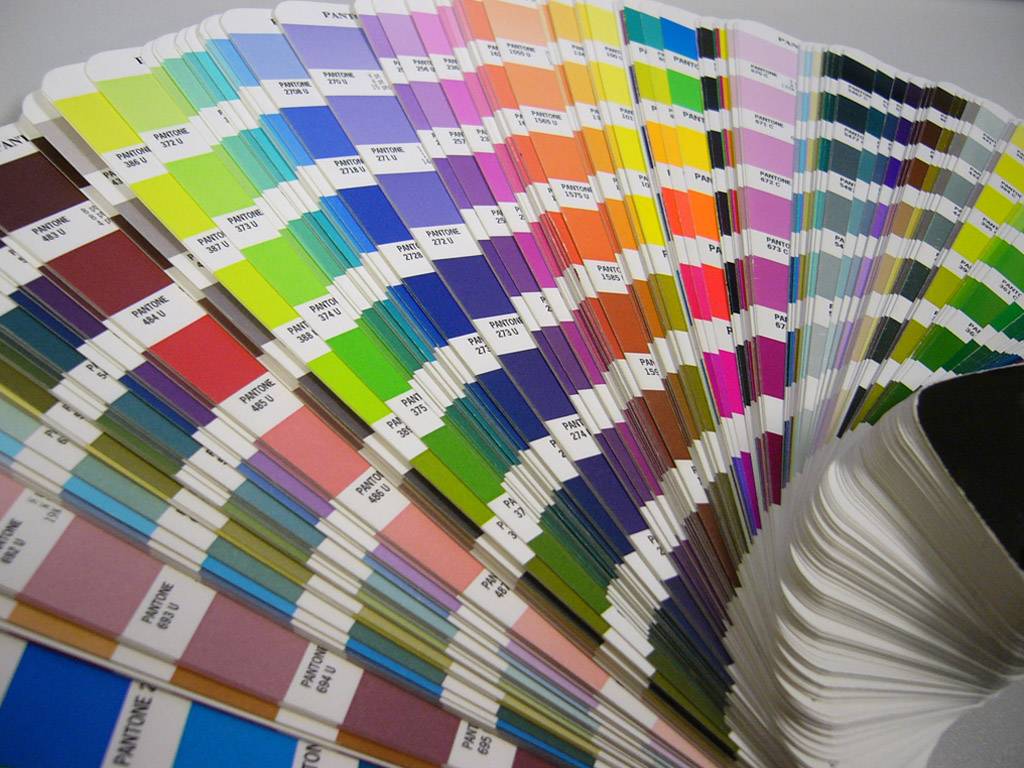
  • Bright colors and lots of it.
  • Round shapes and curvy lines
  • Detailed surfaces vs plain surfaces
  • Images of other women
  • Interactions between subjects/harmonious relationships (ie: couples touching, women having fun with their kids)
Try implementing these design elements into your work to see if the conversion rate is higher.


**Gloria Moss - Gender, Design & Marketing


Tuesday, November 30, 2010

UPDATE: Haley the make up artist logo


UPDATE: Major Labour Logo


Who are the rich?


I have a keen interest in the consumer behaviors of the affluent. I am a huge fan of Thomas J. Stanley who often writes books based on the wealthy. So who are the affluent? Hint: they are not the ones wearing $5000 watches, in that designer suit, driving luxury cars. First, how would you define wealthy?

“Wealth is not the same as income. If you make a good income each year and spend it all, you are not getting wealthier. You are just living high. Wealth is what you accumulate and not what you spend” - Thomas J. Stanley, the Millionaire Next Door.

I think the above quote is a pretty sufficient definition. Here are some traits of the prototypical millionaire:


  • A businessman who has lived in the same town for most of his adult life.
  • Owns a small factory, chain of stores or a service company.
  • Lives next door to people with a fraction of his wealth.
  • Has an average accumuated household NET WORTH of 3.7 million, yet has a (taxable) income of $131,000 (avg income $247,000).
  • Lives well below their means. Meaning no designer suits, no $5000 watches, no current model luxury vehicles.
  • 97% are homeowners and a minority only lease their vehicle.
  • Many have advance degrees: masters, law, medical, Ph.D
  • works 45-50 hours a week
  • invest 20% of their taxable income each year.
  • TIGHTWAD


I thought this was fairly interesting and insightful!

FREE metric tools for business


Marketing strategies should be measurable. I cannot stress this enough. It’s simple: why would you waste anymore time + money into a strategy that is not going to give you a return on your investment. It is also important to test the waters out before you proceed with the strategy with a full budget. For example, with facebook ads, if you set the ad to target women over 55 and initially invest $50.00 towards it and run it for a week or so (just to test it out) and you realise that 80% of the people clicking on your ad are women in their 70’s (yes older folks are on Facebook) then this will give you the opportunity to tweak the ad accordingly and re-evaluate the campaign. So here are some great FREE tools for business to track and measure your campaign:
  • Links shortener: j.mp and bit.ly or google url builder - Use this url shortener for your social media and email campaign. Track how many people actually clicked on the links you shared on facebook, twitter or email campaigns.


  • Google Analytics - Tracks how visitors interacts with your website. Where did they come from? How long did they stay on your site? What did they do on your site and did they complete the website’s conversion goal?


  • Social Mention - Searches user generated content through social networks. It allows you to easily track and measure what people are saying about you, your company, a new product, or any topic across the web's social media landscape in real-time.


  • Mail Chimp - Free email marketing platform. It is free up to 1000 subscribers, anything more than that you’d have to pay. Mail chimp takes care of your sign ups, unsubscribe and bounce backs plus you can track your campaign.


  • Facebook Insights - like google analytics but for your facebook page. Tracks who is visiting your page and a great way to analyse your content. For example, what did you post that proceeded a spike in traffic?


HAPPY TRACKING! :P